At a glance
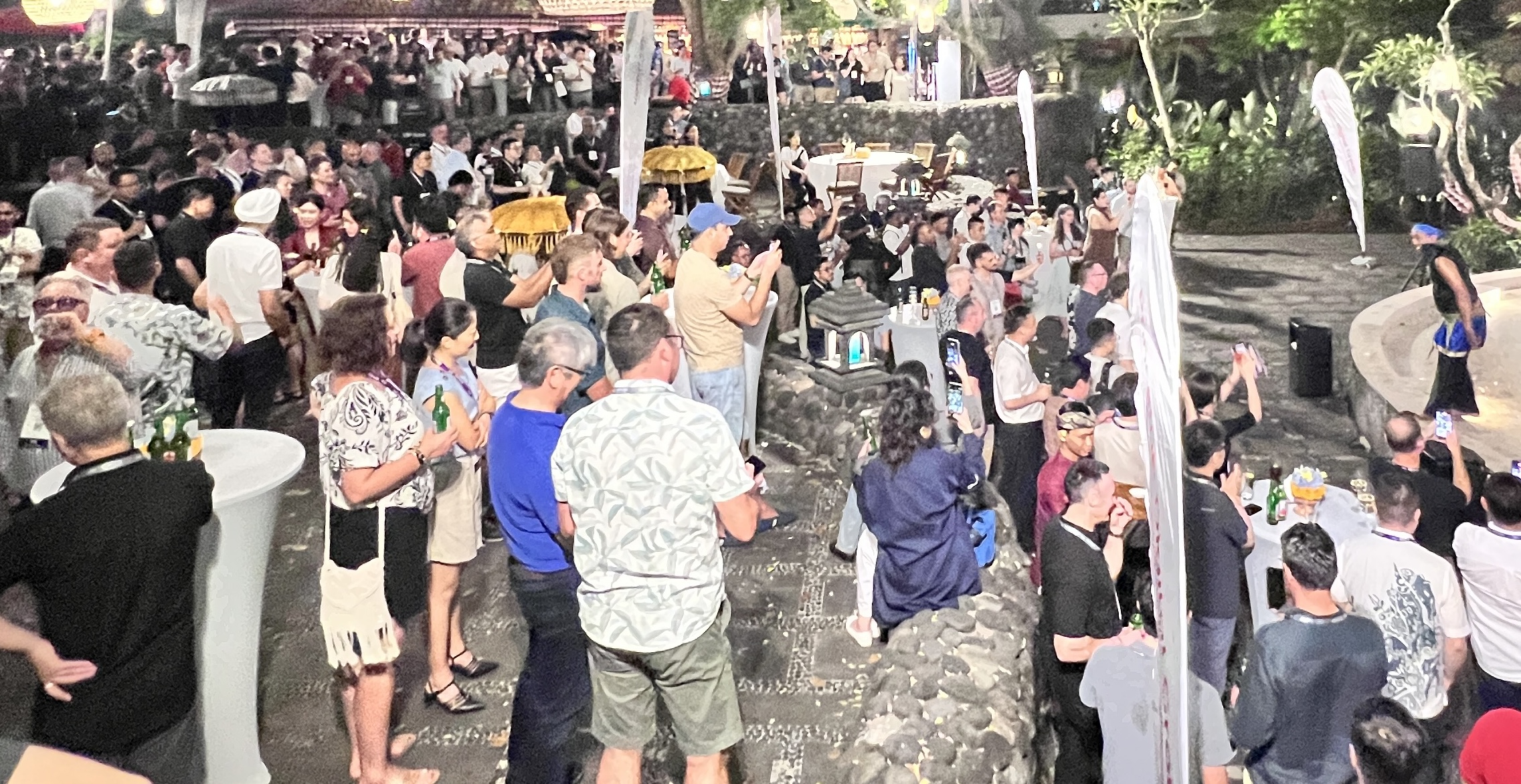
More than 2,000 delegates from across APAC gathered in Bali (9 to 11 June), and the sentiment across the three days was overwhelmingly positive.
Capital was the binding constraint running through the investment sessions, ahead of land and power. A recurring message: local banks can no longer fund projects of this size.
Project finance can cover 70 to 80 percent of a build. The equity and the strength of the lease behind it are the real contest.
One operator put the cost of bringing a gigawatt online in Australia at around A$50 billion, a measure of how capital-intensive the build-out has become.
Neoclouds are the biggest opportunity, but they come with big risks. Lease tenure decides whether they are financeable, and Equinix says about 60 percent of its largest deals are now AI-related.
Sovereignty is a market-maker. Localisation rules in Indonesia, and soon Vietnam, pull capacity in-country, which favours certified, sovereign-ready markets like Australia.
A buoyant room
DCD Connect APAC brought more than 2,000 people from across the region to Bali, and the mood was unmistakably upbeat. After a year of record demand, operators, investors and partners from every major APAC market were glad to be in the same place, and the sentiment across the three days was overwhelmingly positive. That confidence carried into the investment sessions, where the conversation kept returning to the question now shaping the build-out: capital.
Capital became the gating question
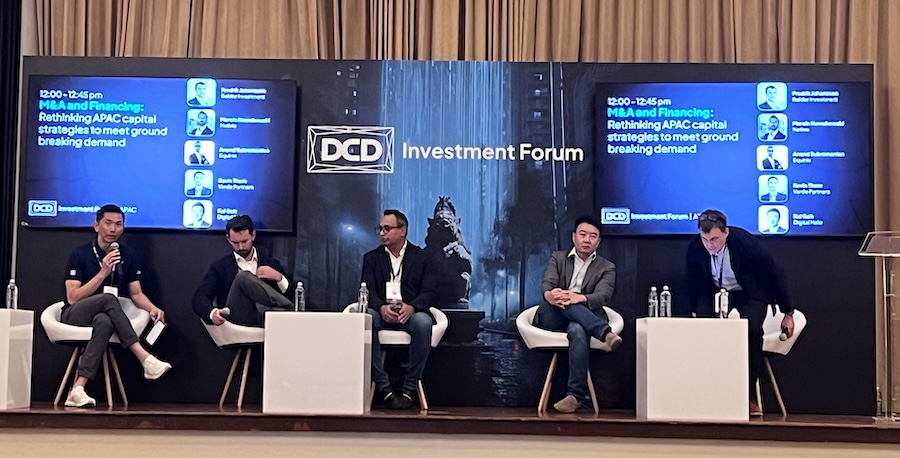
The clearest message from the investment forum was that money is now the binding constraint on the AI build-out, ahead of land and power. The M&A and Financing panel on 10 June started from the fact that local banks can no longer underwrite projects of this size, which means the way the region funds data centres has to change. Project finance can carry most of a build, roughly 70 to 80 percent of the capital cost, which leaves the equity and the lease behind it as the real contest.
The numbers have moved into a different league. One operator on the panel put the cost of bringing a single gigawatt online in Australia at around A$50 billion, a marker of how far the build-out has moved past traditional infrastructure economics. NEXTDC chief executive Craig Scroggie gave the operator’s view: bias for action matters more than anything in this cycle, and funding the neocloud tier is the biggest opportunity, though it carries big risks. NEXTDC has already lifted liquidity to A$8.4 billion for its Asian build-out.
Neoclouds: the biggest opportunity, with big risks attached
GPU-first operators have become impossible for investors to ignore, and a share of new capacity will go to them. The catch is the lease. A hyperscaler covenant is bankable for a decade or more, while a neocloud lease is only as financeable as its tenure and the credit behind it, which is why lease length kept coming up as the thing that decides whether a deal funds. Demand is not in doubt: Equinix says about 60 percent of its largest deals are now AI-related, the same shift behind the 1,600MW of committed pipeline from neocloud providers in Australia.
Sovereignty is redrawing where capital lands
The theme with the most direct read for Australia was sovereignty as a market-maker rather than a compliance cost. Data localisation rules create a local market the moment they are enforced. Indonesia was the worked example, with AWS building in Jakarta as the country tightened its data rules. Vietnam is next on the same logic, with localisation law on the books but lightly enforced for now. When it bites, hyperscalers move in-country quickly and colocation and neocloud capacity follows. For a market like Australia, which has built its pitch around government-approved data centres and sovereign-ready capacity, the signal is that the sovereign premium is becoming a regional pattern, a theme behind the Anthropic Australia MOU.
Water is becoming an investor question
Water came up as a financing and siting risk that investors now price in. CDC pointed to its closed-loop cooling, which it says recirculates a single fill and runs at near-zero water use, a design still rare across the industry. DCI made the related point that operators decoupling growth from municipal water need to put that story in front of investors and government, because water access increasingly shapes whether a site gets approved and funded. In Australia, where data centre water draw is under growing scrutiny, that has direct local stakes.
Where this leaves Australian operators
As DCI chief executive Sumit Mukhija put it, a data centre is less an asset class than a technical services play. On that view, the winners are the operators who can fund the equity, hold the right leases and tell a credible resource story. Several of the top data centre companies in Australia went to Bali well placed to do exactly that.